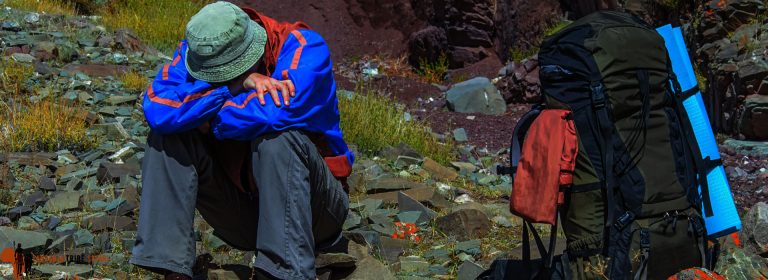
Kilimanjaro Altitude Sickness
Mount Kilimanjaro is located at 5895 metres above sea level, and climbing this towering mountain has its challenges. The most common of them is altitude sickness. Acute Mountain sickness (AMS) or altitude sickness is a negative effect of high altitude.
Kilimanjaro Altitude Sickness and the overall health safety on the mountain go hand in hand. It should be taken very seriously. But worry not, fellow trekkers! Because it’s completely normal to get altitude sickness on Kilimanjaro.
Below we’ll cover what to expect in terms of altitudes on Kilimanjaro and how to overcome altitude sickness.
Is avoiding altitude sickness possible?
There’s no concrete routine for avoiding altitude sickness altogether on Kilimanjaro. But there are some things that you can do to prepare. Try to climb smaller mountains and exercise as much as possible before your Kilimanjaro visit. This will give your body time to adjust and some idea of what to expect.
Some people also use altitude masks while training. This is a mask that mimics the decrease in oxygen that one will experience on Kilimanjaro. This will allow you to experience the effects of high altitudes beforehand.
Symptoms of Altitude Sickness
You should know about the symptoms of altitude sickness so that you can recognize the symptoms and try to treat them. It is believed that almost 70% of people Climbing Kilimanjaro will experience some form of altitude sickness. Some symptoms of altitude sickness include:
- Fatigue
- Dizziness
- Headaches
- Nausea
- Muscle aches
- Irritability
- Increased heartbeat
- Loss of appetite
- Sleep disturbances
- Shortness of breath
Good to Know – The symptoms generally start at around 12 to 24 hours after arriving at a high altitude. Though the symptoms begin to decrease on about the third day.
How to treat the symptoms of Altitude sickness?
Mild symptoms of altitude sickness on Mount Kilimanjaro can be easily treated. The clearest one is to descend if the need comes. Rest and increasing the amount of fluid intake can help. Also, painkillers like paracetamol can ease the symptoms a bit.
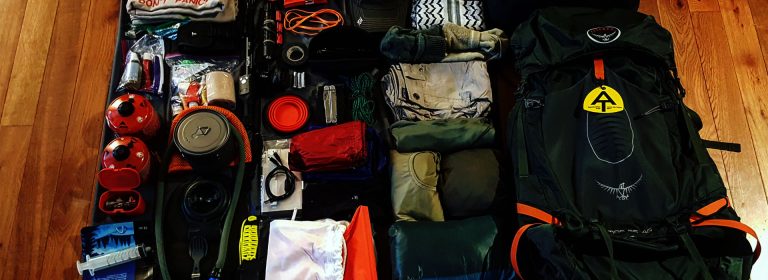
We advise that you should give your body time to acclimatize before using any medication. Moreover, certain natural remedies can also manage the symptoms. Such as garlic, cloves, and lavender oil. Make sure to pack these items in your backpack before Climbing Kilimanjaro.
Keep in mind that some mild symptoms of altitude sickness are common on the mountain. So, remain calm and take the necessary precautions.
A Pro Suggestion – If you experience severe symptoms like shallow breathing and chest congestion, you should descend immediately. Guides and Kilimanjaro Porters will help you during this process.
Lastly, the above-mentioned treatments for Kilimanjaro Altitude Sickness are just a few helpful tips and suggestions to ensure a successful Kilimanjaro Climb. They don’t serve as medical advice. And you should always consult a medical professional before climbing Kilimanjaro.